About Jimma & the Coffee Region
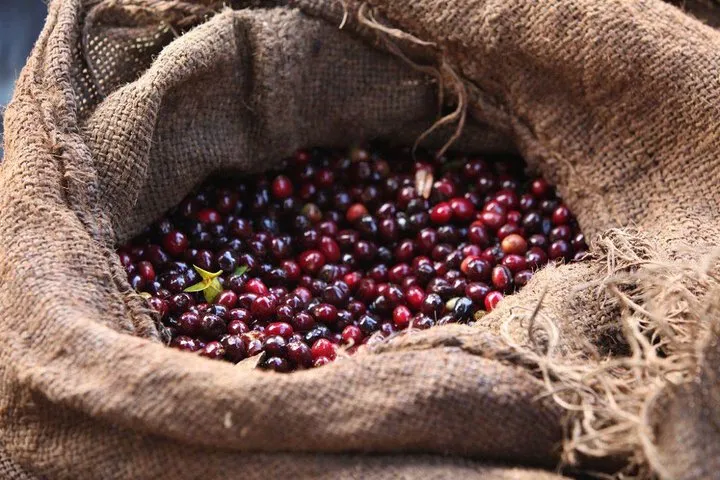
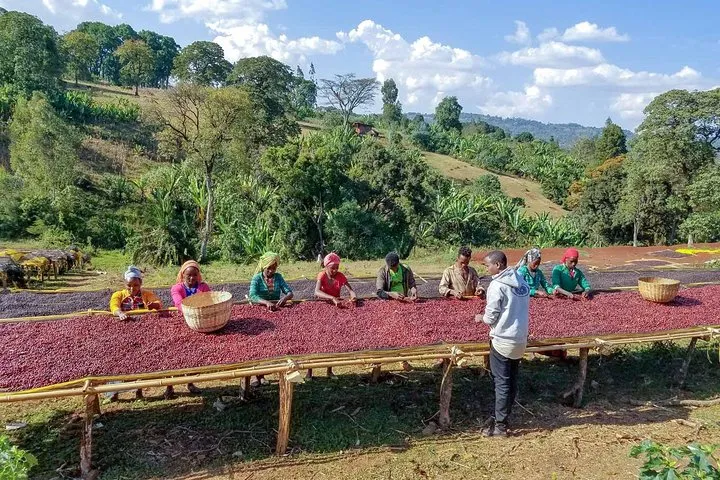
Jimma coffee tours begin in the largest city in south-west Ethiopia, and the heart of the country's coffee-growing region. Jimma is a place where the hills are planted with coffee, teff, and false banana, and where the daily coffee ceremony is a way of life. It is the birthplace of the coffee plant, or at least the region from which cultivated coffee spread to the rest of the world, and its forests still hold wild coffee plants, an important source of biodiversity. For travellers, Jimma offers a taste of Ethiopia at its greenest, as well as some of its grandest history, in a city that is both a working regional capital and a gateway to the forests around it. The coffee is the reason to come. The hills around Jimma are covered in coffee, grown under shade trees in a system that has been used for generations, and the forests nearby still hold wild coffee, the original stock from which all the world's coffee descends. A visit to a coffee estate or a forest garden, with a local guide, shows how coffee is grown, harvested, dried, and prepared, and it gives a sense of why this region matters far beyond Ethiopia. The coffee ceremony, held in homes and in small cafes across the city, is the best introduction: green beans roasted over charcoal, ground by hand, brewed in a clay jebena, and served in small cups with popcorn and a warm welcome. Jimma's history is as rich as its coffee. The city was once the capital of the historic kingdom of Kaffa, the name that gave coffee its name, and its royal past is still visible in the Abba Jifar Palace, one of the best-preserved royal palaces in the country. The palace, built in the nineteenth century for the king of Jimma, is a large, handsome building with courtyards, audience halls, and a mosque, and it gives a clear sense of the power and wealth of the old kingdom. The Jimma Museum, nearby, adds to the story, with exhibits on the region's history, culture, and coffee, and it is a good first stop for understanding the city. Beyond the city, the green landscape around Jimma is worth exploring. The tea and coffee estates that surround the town offer walks through plantations and forest, with views across the hills and a chance to see how the land is farmed. The nearby town of Seka, where the coffee ceremony is a part of everyday life, is a good day trip, and the markets in Jimma itself, busy and colourful, give a sense of a regional city that is both modern and traditional. Hiking in the coffee forests, with a local guide, is the best way to see the wild coffee and the birds and wildlife that live in the shade. The best time to visit Jimma is October to March, in the dry season, when the weather is warm and the roads are firm. The city is reached by road from Addis Ababa in six to seven hours, or by flying to Jimma Airport in about an hour from Addis. A variety of hotels, from budget to mid-range, are available in the city centre. Allow at least two days: one for the city, the palace, and the museum, and one for the coffee estates and the forests. Come for the coffee, and stay for the history, the green hills, and the warm welcome of Ethiopia's coffee country.
What Makes It Special
Top Attractions
Abba Jifar II Palace
Jimma Museum
Kafa Biosphere Reserve
Wild coffee forests
Chebera Churchura National Park (nearby)
Best Time to Visit
Activities
Getting There
Accommodation