About Yabelo & Mega (Borena Birdwatching)
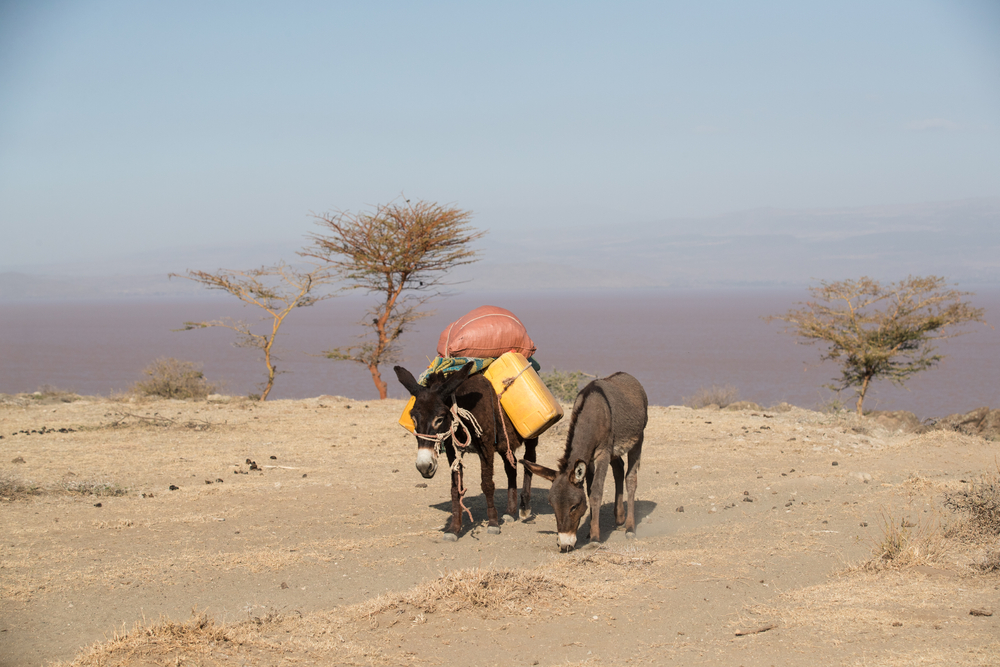
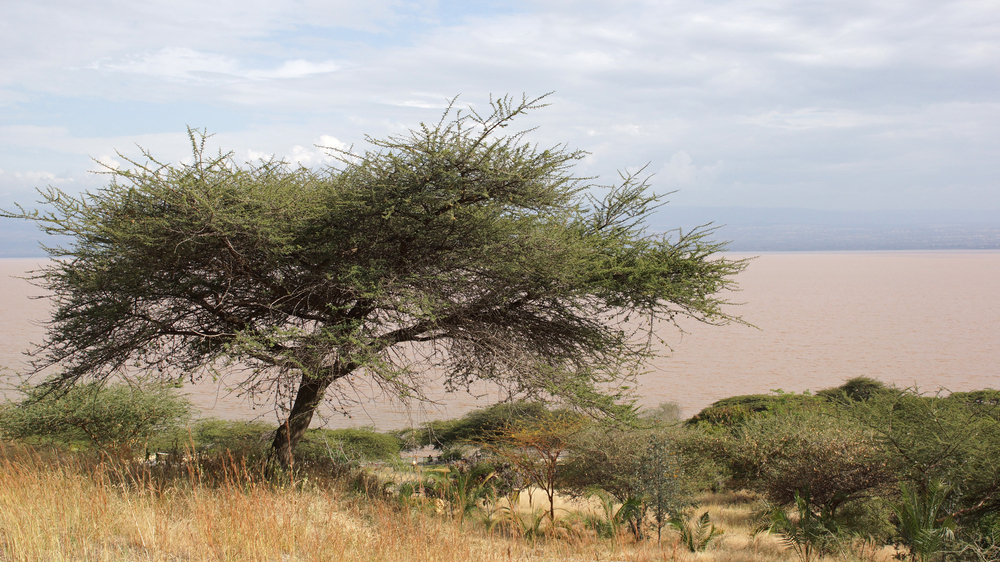
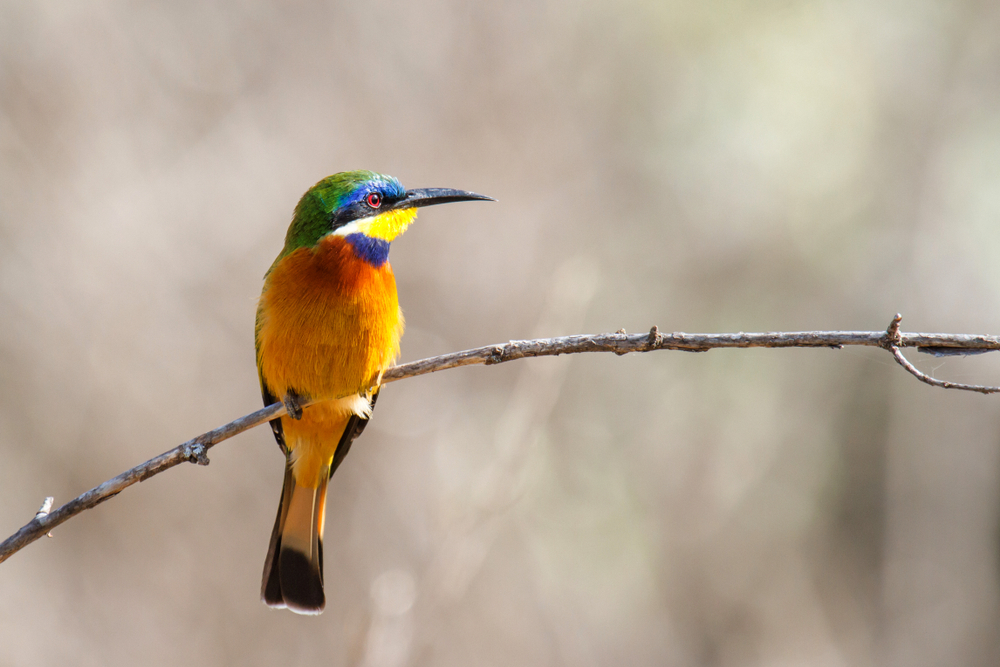
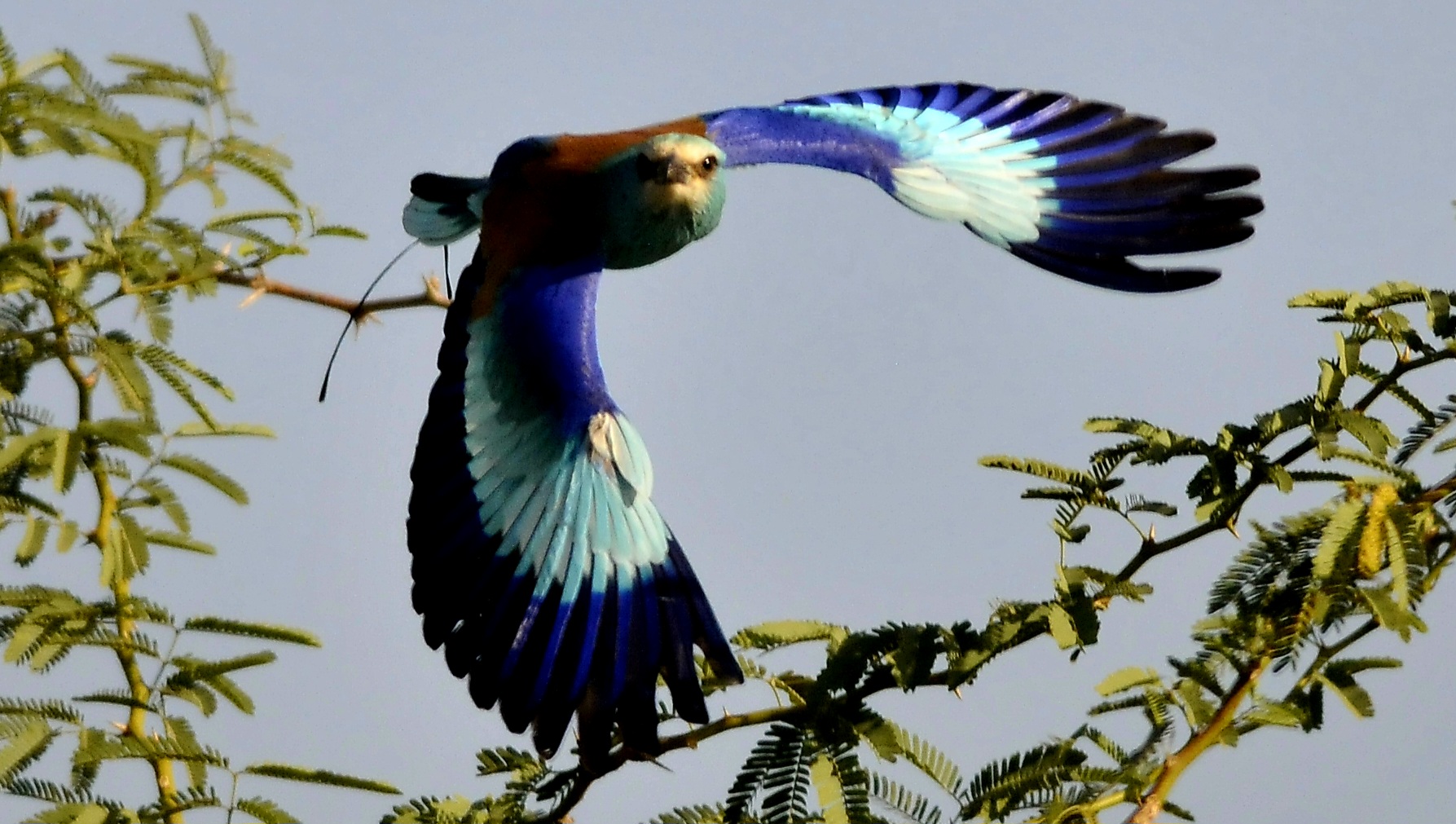
Yabelo birdwatching takes you to one of the best birding areas in Africa, in a landscape that feels unlike anywhere else in Ethiopia. Yabelo and the wider Borana region, in the far south of the country, are known for a high diversity of species and for several birds found nowhere else on Earth. It is a landscape of red earth, acacia trees, and open savannah, with the impressive termite mounds of the "Little Egypt" area rising like small pyramids from the plain. Birdwatchers come here for the endemics, and they stay for the sense of a wide, quiet country where the birds, the people, and the land are closely tied together. The birds are the reason most travellers make the long journey south. The rare yellow-necked spurfowl and the endemic Ruspoli's turaco can be seen here alongside many other species, and the region's endemics also include the white-tailed swallow and the Abyssinian bush crow, two birds that birdwatchers travel long distances to see. The Yabelo Sanctuary, a protected area of acacia woodland, is the best place to look for them, with early morning the most productive time. A local bird guide is essential: the birds are often shy, the calls are hard to learn, and a guide who knows the territory will find species that a visitor alone would miss. The landscape around Yabelo is as much a part of the visit as the birds. The "Little Egypt" termitaria, great red mounds built by termites over many years, are one of the most distinctive sights in southern Ethiopia, and they give the area its nickname. The red earth, the scattered acacia trees, and the wide skies make for fine photography, especially in the soft light of morning and late afternoon. Wildlife like gerenuk and ostrich also live here, and the open savannah gives a sense of space that is very different from the crowded highlands further north. The region is also home to the Borana people, traditional cattle herders who still live in semi-nomadic settlements, and their distinctive culture adds a great deal to the journey. The Borana are known for their deep wells, the "singing wells", where men stand in lines down the shafts and pass water up in buckets to the rhythm of songs, watering their cattle in a tradition that has continued for generations. A visit to the singing wells, arranged respectfully with a local guide, is one of the most memorable cultural experiences in Ethiopia. Travellers should ask permission, dress modestly, and remember that the wells are working places, not a show. The best time to visit Yabelo and Mega is October to March, in the dry season, when the birdwatching is at its best and the roads are most reliable. The region is reached by road from Addis Ababa in around eight hours, or by flying to Addis and then driving, and it is best visited with a guide who knows the area. Basic lodges and camps are available in Yabelo and Mega, with hotels in Addis Ababa if travelling from there. Allow at least two or three days: one for the sanctuary and the endemics, one for the termitaria and the singing wells, and time for the long drive in both directions.
What Makes It Special
Top Attractions
Yabelo Wildlife Sanctuary
El Sod crater and singing wells
Mega and the Soda craters
Stresemann's bushcrow sites
Borana homesteads (manyatta)
Red-earth termite mounds landscape
Best Time to Visit
Activities
Getting There
Accommodation