About Gibe Sheleqo
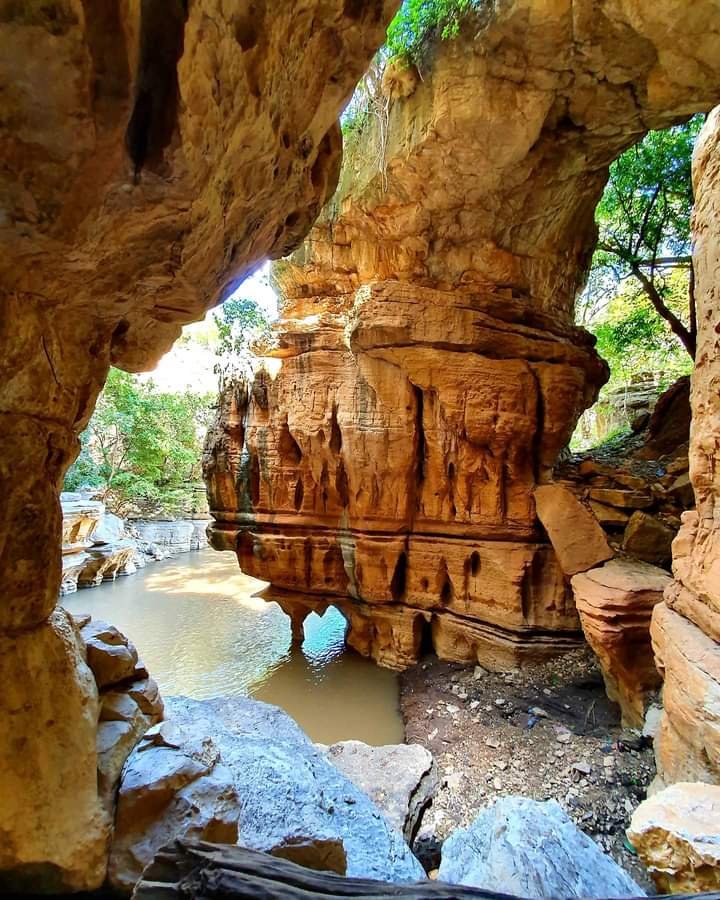
Gibe Sheleqo, in Oromia, is a broad river landscape shaped by the Gibe River, one of Ethiopia's most important rivers, and it is the place to go when you want to see the country's wilder, quieter side. The valley combines deep river gorges, patches of forest and the green fields of the Gibe River valley, with high cliffs rising above a landscape that feels a long way from Ethiopia's busy towns and famous historic sites. There are no crowds here, no grand monuments and no busy viewpoints. Instead, the reward is space, fresh air, and a landscape that changes with every turn of the river, from steep, wooded slopes to open, cultivated valley floors where village life goes on much as it always has. A visit to Gibe Sheleqo is best understood as a walking and exploring trip, rather than a sightseeing stop. Hiking through the river valley is the main activity, following paths along the gorges and through forest and farmland, with viewpoints over the cliffs and the river below. The walking is not about ticking off named viewpoints, but about taking time in the landscape itself: watching the light change on the valley walls, listening to the river, and stopping in villages along the way. Village visits are a natural part of the experience here, offering a gentle introduction to rural life in Oromia, where farming, herding and daily routines shape the rhythm of the day. For photographers, the combination of high cliffs, green valleys and river light is the real draw, especially in the early morning and late afternoon, when the valley softens and the colours deepen. The Gibe River gives the area its character and its name. It is one of the great rivers of Ethiopia, and its valley has carved a landscape of gorges and fertile land that supports both forest and farming. That mix is what makes Gibe Sheleqo feel different from Ethiopia's highland towns and its desert lowlands. It is green, open and lived-in, rather than remote in the empty sense, and the people you meet are farmers and villagers, not guides waiting at a gate. The landscape is not manicured for visitors, and that is precisely the point. You come here to walk, to look, and to slow down, not to rush between attractions. It is important to be honest about what Gibe Sheleqo is not. This is a quiet, natural and undeveloped area, with only a few facilities, and it is not a place for travellers who want comfortable hotels, restaurants and easy, signposted trails. There are no established hotels here, and the options are camping and basic guesthouses. That simplicity is part of the experience, but it means you should come prepared, travel with a guide who knows the valley, and plan your stay as part of a wider trip through Oromia, rather than as a standalone luxury break. The best time to visit is the dry season, from October to March, when the paths are at their best and the weather is most settled for walking and photography. Gibe Sheleqo suits a particular kind of traveller, and it is worth deciding honestly whether that is you. If you love hiking, wild landscapes and places that have not been shaped for tourism, you will find it rewarding, peaceful and genuinely different from the rest of an Ethiopia itinerary. If you want polished facilities, a full programme of activities and somewhere to stay in comfort, you will be happier elsewhere. For the right traveller, though, a day or two walking the gorges, visiting villages and spending a night close to the river is a memorable counterpoint to Ethiopia's churches, mountains and cities. It is Ethiopia at its most natural and unhurried, and it rewards patience more than it rewards a checklist.
What Makes It Special
Top Attractions
Gibe River viewpoints
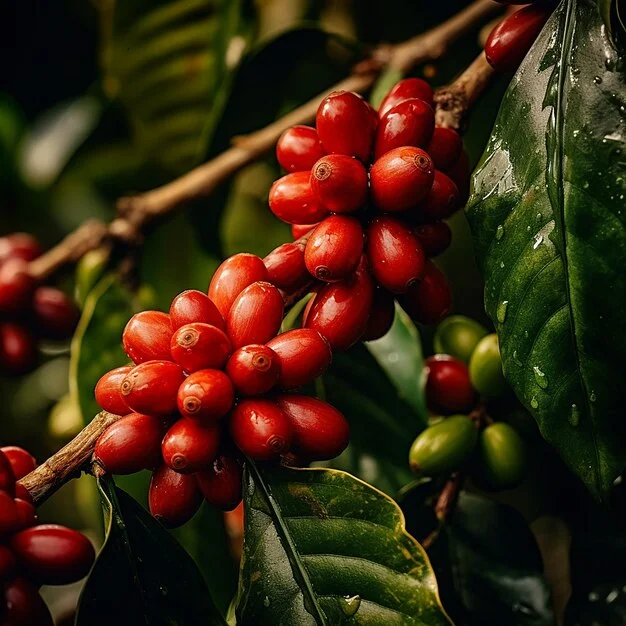
Coffee highland forests
Jimma (nearby) — the historical coffee centre