About Danakil Depression
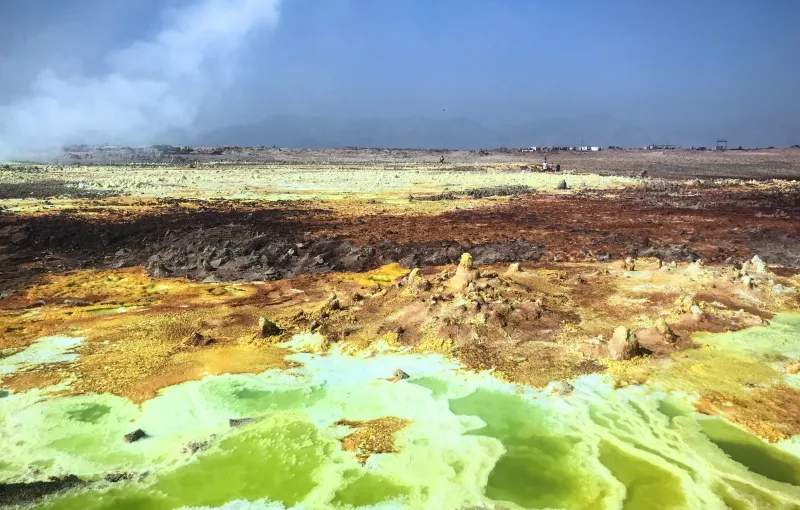
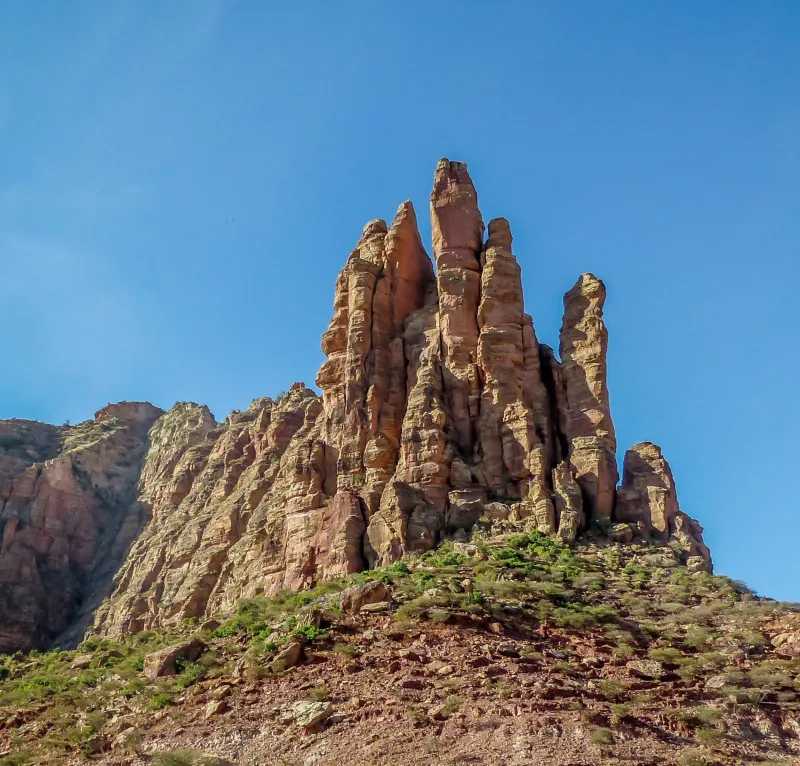
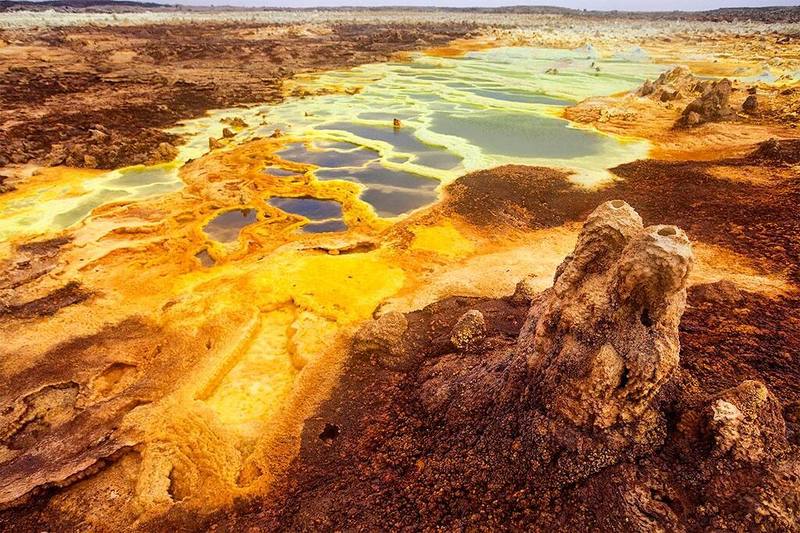
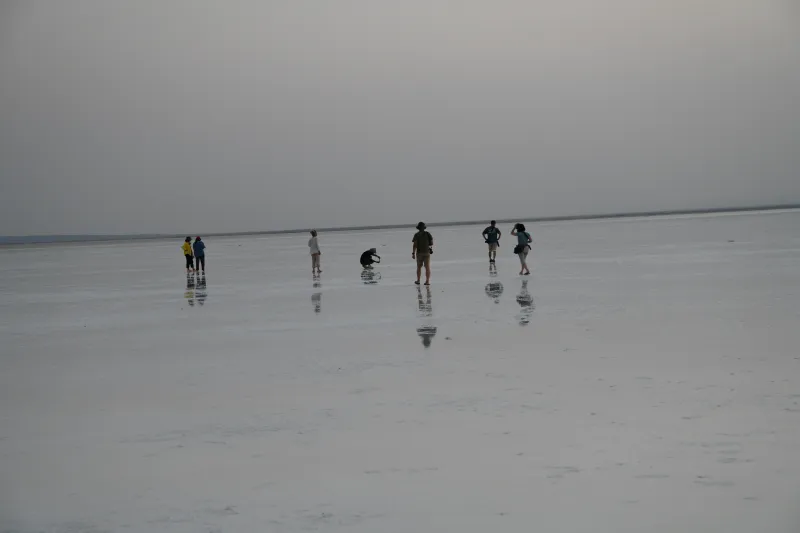
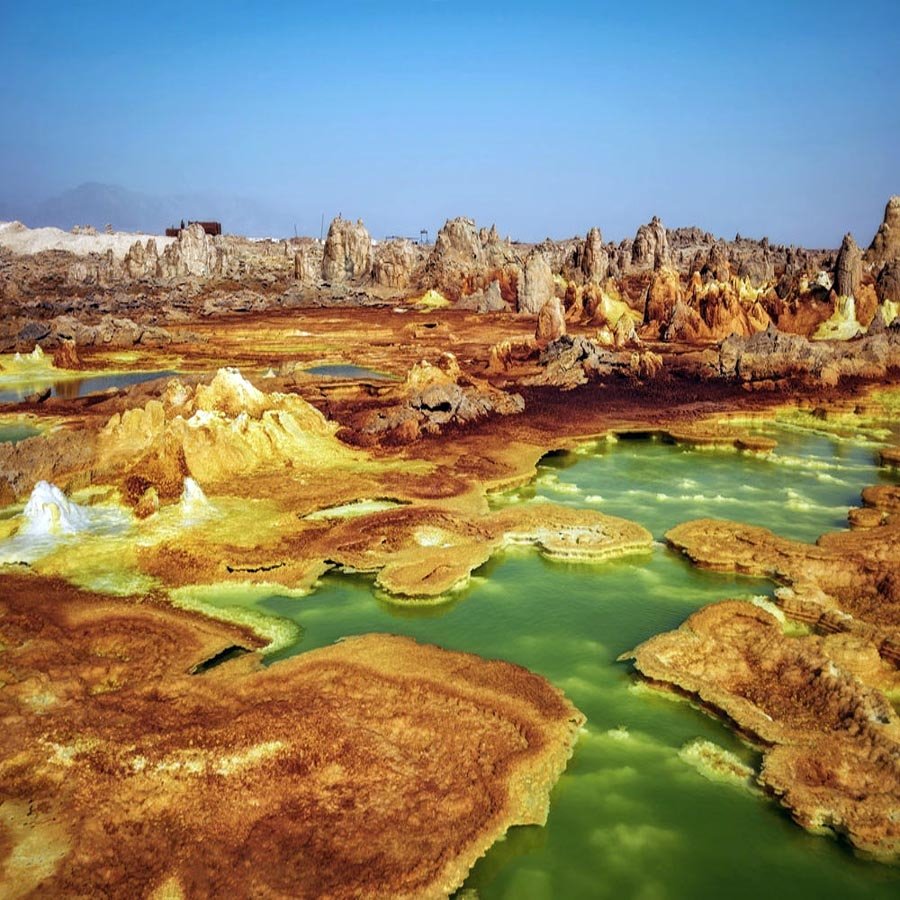
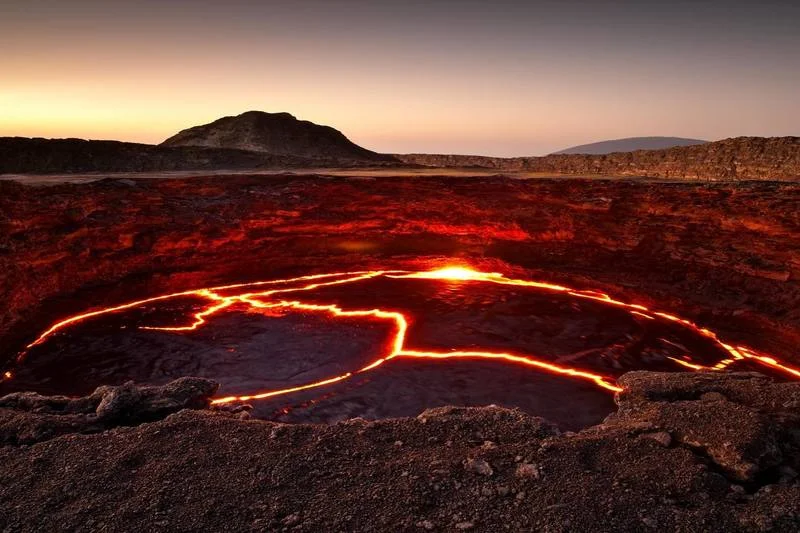
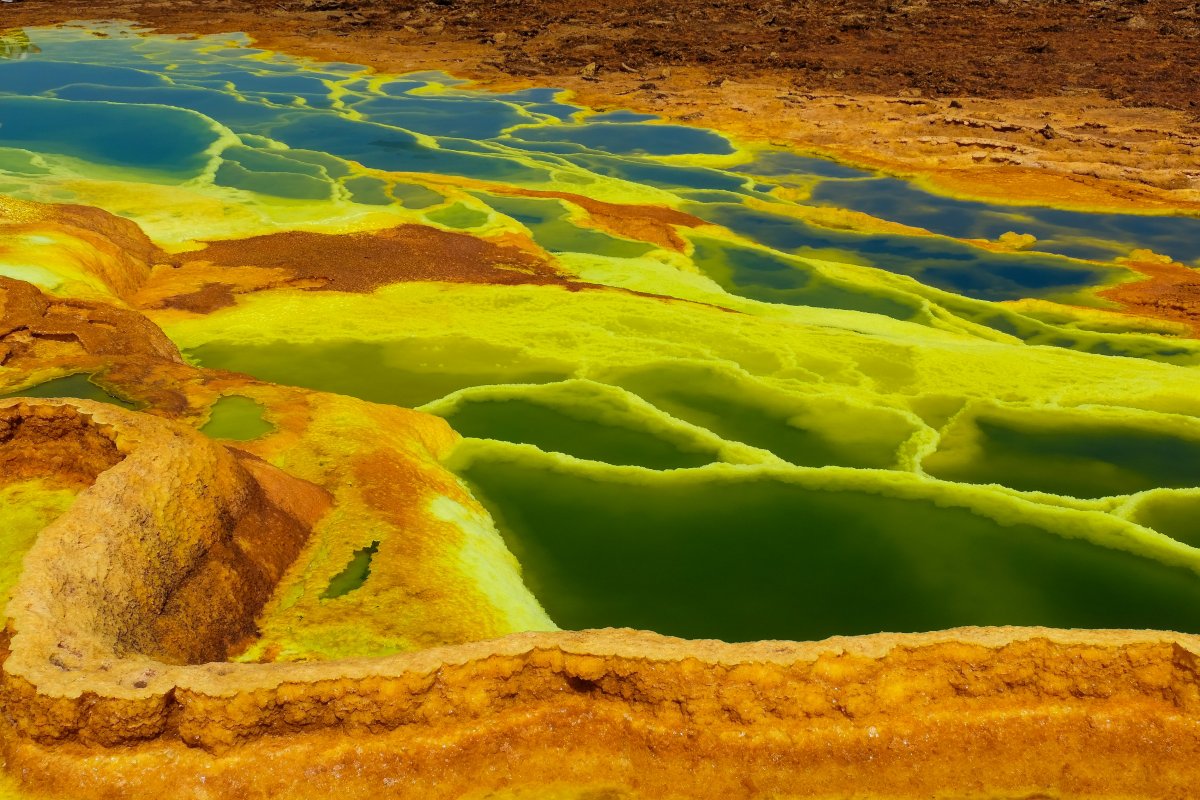
A Danakil Depression expedition is one of the most extreme journeys in Africa, and one of the most unforgettable. The Danakil Depression, in the Afar region of north-eastern Ethiopia, is one of the most hostile landscapes on Earth, and also one of the most fascinating. Its volcanic peaks, hot springs, sulphur fields, and salt lakes attract visitors from around the world, many of whom come to see a place where the Earth's crust is actively pulling apart. It is a landscape of heat, colour, and emptiness, where geology, history, and the harshness of nature collide, and it is best experienced slowly, with a local guide and the help of an organised expedition. The geology of the Danakil is the story of the place. The Depression sits at the junction of three tectonic plates, and the ground here is sinking and splitting as the plates move apart. The result is a landscape that is still being formed: volcanic cones, lava flows, hot springs, and salt flats, all in a basin that drops far below sea level. The lowest point, at Lake Asale, also known as Lake Karum, is around 125 metres below sea level, making the Danakil one of the lowest places on Earth. The heat is intense, the air is dry, and the light is sharp, especially at midday. Yet for centuries, salt traders have crossed this desert with camel trains, and their caravans are still part of the landscape today. A typical Danakil expedition lasts three days, travelling by four-wheel drive from Mekelle or Semera with Afar guides, cooks, and drivers, and with all permits arranged in advance. The route usually takes in the three great sights of the Depression, each of which has its own page on this site: Dallol, with its surreal sulphur springs and acid pools; Erta Ale, with its volcano and its famous lava lake; and Lake Asale, with its vast salt flats and its camel caravans. The expedition moves between them by day and camps in the desert by night, sleeping under the stars in a landscape that feels like another planet. The rhythm is simple: drive, walk, watch, and rest in the shade. The Afar people are the heart of the expedition. They are the guides, the drivers, and the guards who make travel in this harsh country possible, and their knowledge of the desert, its water, its routes, and its dangers is essential. Travellers should listen to their guides, follow their advice about heat, water, and walking, and treat the Afar communities they meet with respect. The salt miners at Lake Asale, who still cut and carry salt by hand much as their ancestors did, are working people, not a tourist attraction, and photographs should only be taken with permission. The Danakil is not a place for independent travel: it can only be visited as part of an organised expedition, with a guide and permits. The best time to visit the Danakil is November to February, the coolest months, though it is still very hot. Avoid June to September, when the heat is at its most extreme. Accommodation is desert camping as part of an organised expedition, with hotels in Mekelle and Semera before and after the trip. Bring sun protection, a hat, plenty of water, and a sense of adventure. The Danakil is not comfortable, and it is not for everyone, but for those who go, it is an experience few travellers forget, and a reminder of how raw and powerful the Earth can still be.
What Makes It Special
Top Attractions
Lake Asale salt flats
Salt mining communities
Dallol sulphur springs
Erta Ale volcano
Afar camel caravans
Rift Valley geological formations
Best Time to Visit
Activities
Getting There
Accommodation