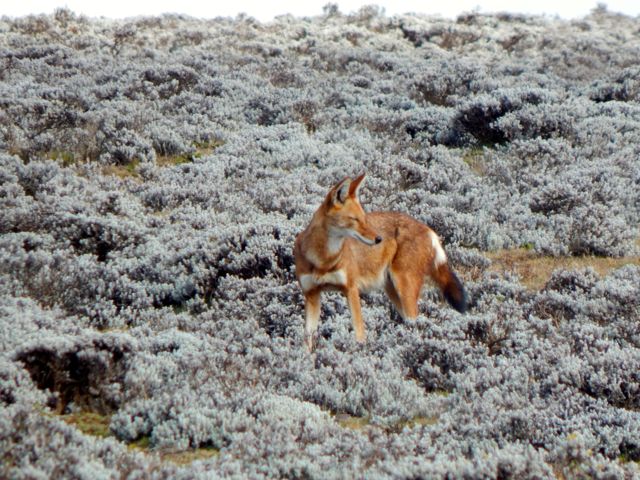
With fewer than 500 individuals remaining in the wild, the Ethiopian wolf (Canis simensis) is the rarest canid on Earth—and one of the most beautiful. With its russet coat, white chest, and long, fox-like snout, it is often called the "red fox" of the highlands. But this is no fox. It is a true wolf, adapted to life above 3,000 meters (10,000 feet), and it lives nowhere else on the planet. At Monpays Tours, we specialize in responsible wolf-watching in Ethiopia's Bale Mountains, the best place on earth to see this extraordinary creature.
Why the Ethiopian Wolf Is So Rare
The Ethiopian wolf is found only in seven isolated mountain pockets in Ethiopia. The largest population—over half of the remaining wolves—lives in the Bale Mountains National Park. The total global population is estimated at 450–500 adults. Habitat loss, disease transmission from domestic dogs, and climate change are the primary threats. The Ethiopian wolf is classified as Endangered on the IUCN Red List.
The Best Place to See Them: Bale Mountains National Park
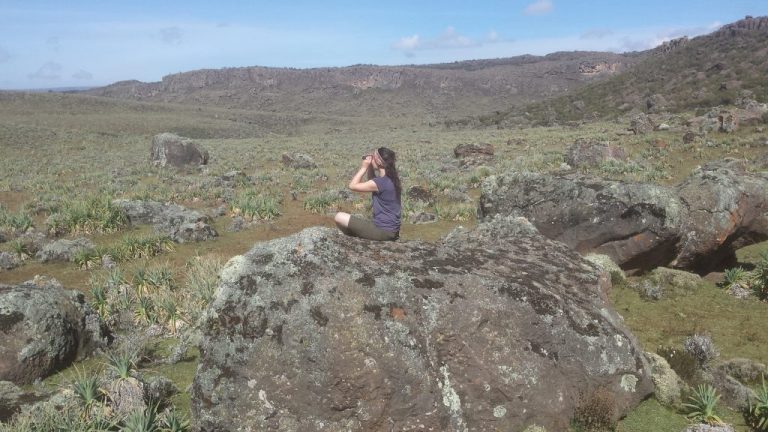
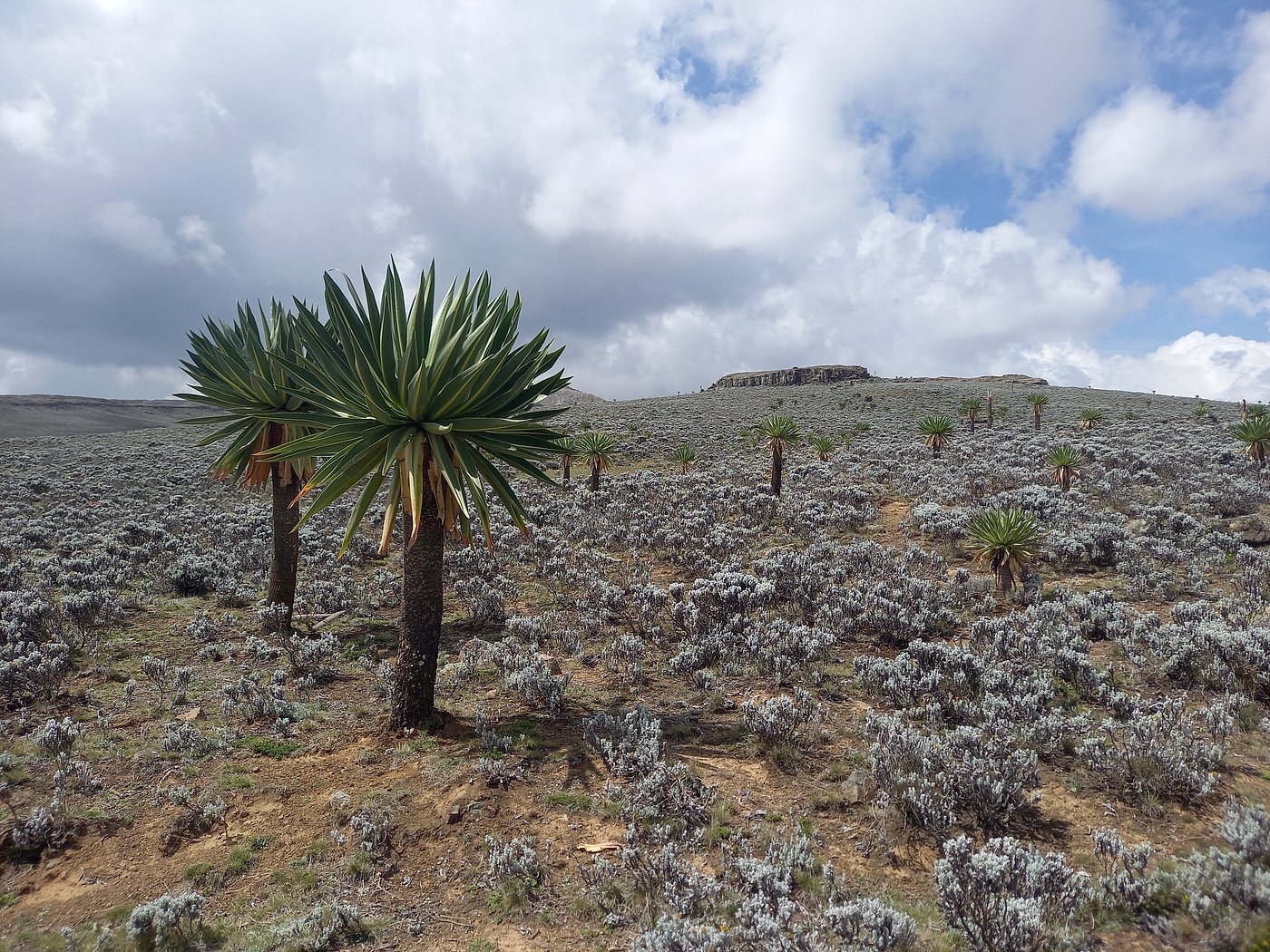
The Sanetti Plateau in Bale Mountains is the Ethiopian wolf's stronghold. Here, at altitudes between 3,000 and 4,377 meters, the wolves hunt for giant mole rats (their primary prey) on the open grasslands. The plateau is accessible via the highest all-weather road in Africa, making wolf-watching possible without multi-day trekking (though trekking enhances the experience).
Best Time for Wolf Watching
-
Season: November to March (dry season). The skies are clear, the plateau is accessible, and wolves are active.
-
Time of day: Early morning (sunrise to 10:00 AM) is best. Wolves hunt during the cooler morning hours. Late afternoon (4:00 PM to sunset) is second best.
-
Weather: Clear, cold mornings. Bring warm layers—even at midday, the plateau is windy and cool.
Where Exactly to Look
The most reliable wolf-viewing area is the Sanetti Plateau around the 4,000-meter parking area (where the road crosses the highest point). Wolves are often seen hunting on the grasslands to the east and west of the road. Other good areas include the Tullu Dimtu summit area and the Wasama Viewpoint vicinity. Your Monpays Tours guide will know the best spots for the current season.
What You Will See
Ethiopian wolves are diurnal (active during the day). In the morning, you will see them:
-
Hunting: Stalking giant mole rats, pouncing with their long legs, and shaking their prey
-
Socializing: Wolves live in packs, and you may see greeting ceremonies, play, or territorial marking
-
Resting: Later in the morning, wolves rest on the grassy slopes, sometimes very close to the road
Photography Tips
-
Lens: Bring a telephoto lens (300mm minimum, 400–600mm ideal). Wolves are wary but can be approached slowly in a vehicle.
-
Vehicle as blind: Stay in your vehicle. Wolves are more habituated to vehicles than to people on foot.
-
Golden hour: Early morning light is warm and dramatic on the plateau.
-
Patience: Wolves hunt continuously but unpredictably. Spend 2–3 hours in one good area rather than driving constantly.
Responsible Wolf Watching: Our Code of Conduct
As a Monpays Tours guest, you agree to:
-
Stay in the vehicle. Do not approach wolves on foot.
-
Keep distance. Do not try to get closer than 50 meters. If the wolf looks at you and stops its activity, you are too close.
-
No feeding. Never offer food to wolves or any wildlife.
-
No loud noises. Speak quietly, turn off music, and move slowly.
-
Follow your guide. Our guides are trained in wolf behavior and will position the vehicle for optimal viewing without disturbance.
Combine Wolf Watching with Other Bale Mountain Attractions
While in Bale, do not miss:
-
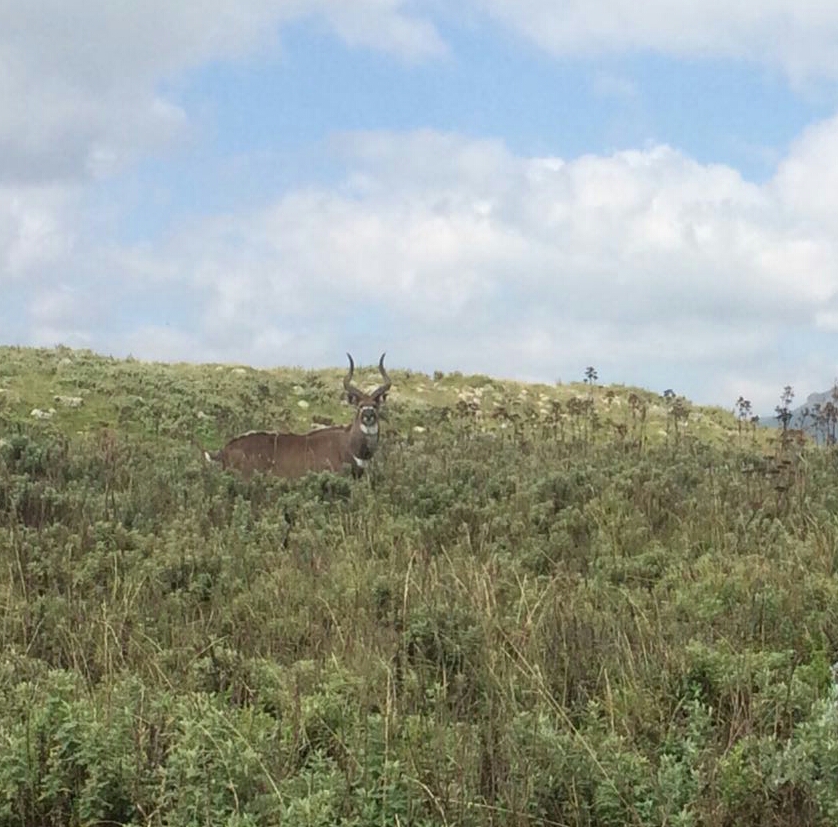
Dinsho headquarters: Easy walking trails for guaranteed mountain nyala and Menelik's bushbuck
-
Harena Forest: A cloud forest with endemic birds and monkeys
-
Tullu Dimtu (4,377 meters): The second highest peak in Ethiopia (easy 30-minute hike from the road)
-
Sof Omar Caves: Africa's largest cave system, 2 hours from Bale
Sample Wolf-Watching Itinerary (3 days)
-
Day 1: Fly Addis → Goba. Afternoon at Dinsho for nyala and bushbuck. Overnight Bale Mountain Lodge or Wabe Shebelle Hotel.
-
Day 2: Pre-dawn drive to Sanetti Plateau. Wolf watching 6:30 AM–10:00 AM. Summit Tullu Dimtu. Afternoon Harena Forest trek.
-
Day 3: Morning wolf watching (alternative area). Return to Goba for flight to Addis.
Book Your Wolf-Watching Adventure
The Ethiopian wolf is a bucket-list sighting for wildlife enthusiasts. With Monpays Tours, you will be guided by experts who know the wolves, the plateau, and how to maximize your chances while respecting these extraordinary animals. Contact us to design your Bale Mountains wolf-watching tour.