About The Eastern Frontier: Dire Dawa & Harar
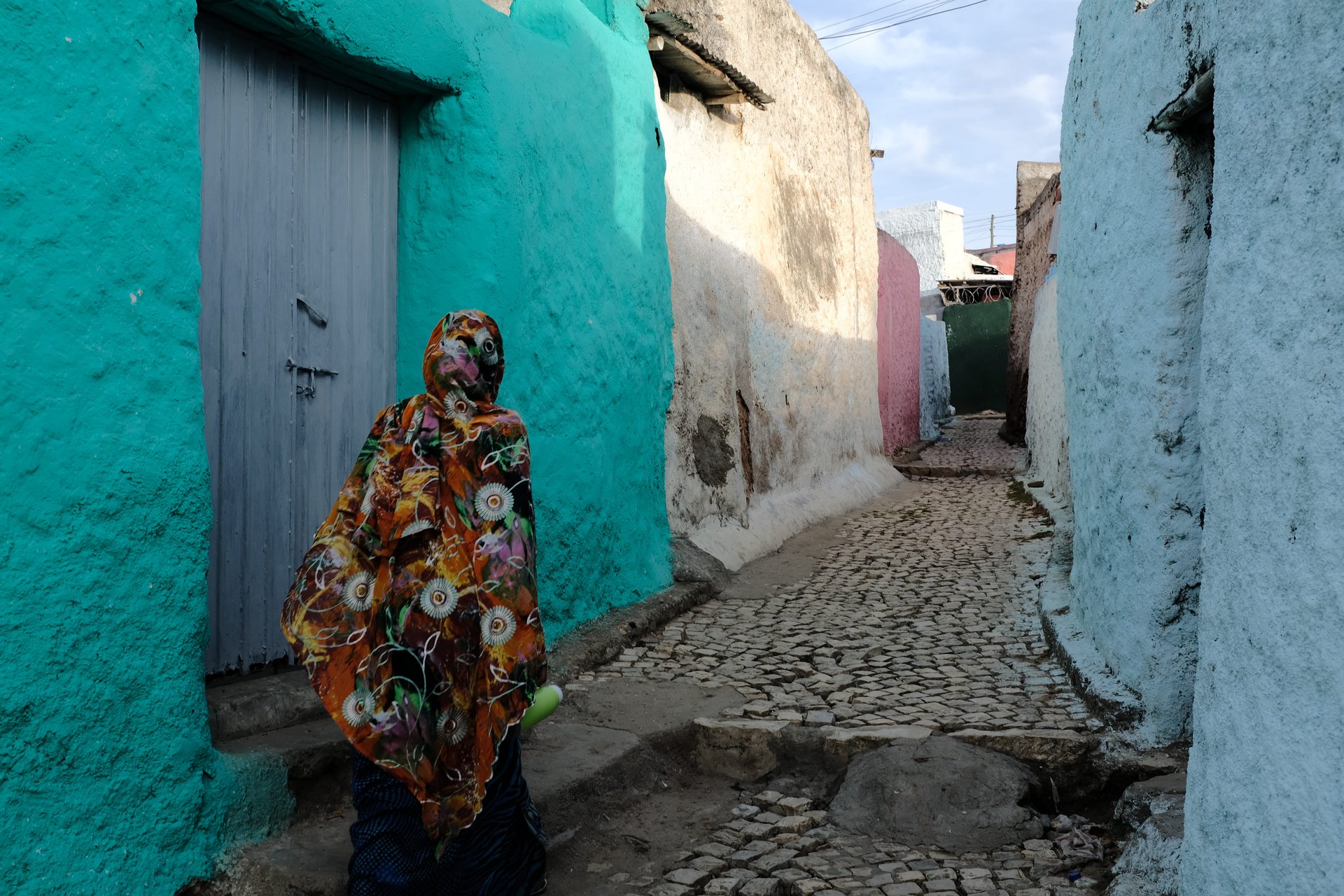
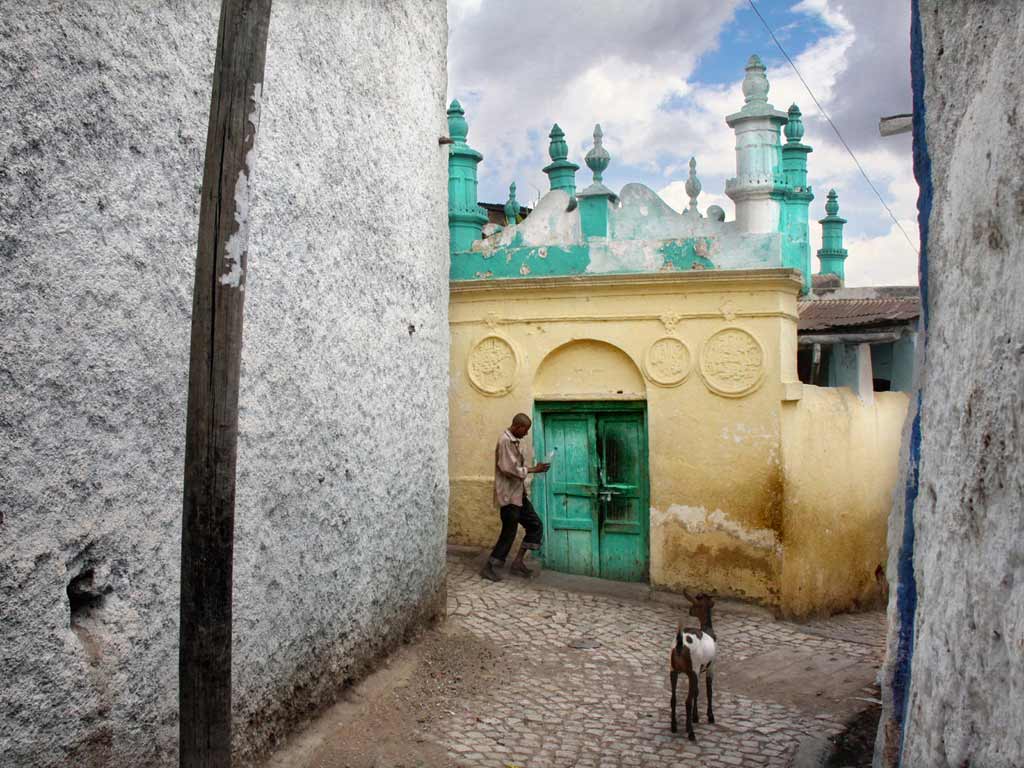
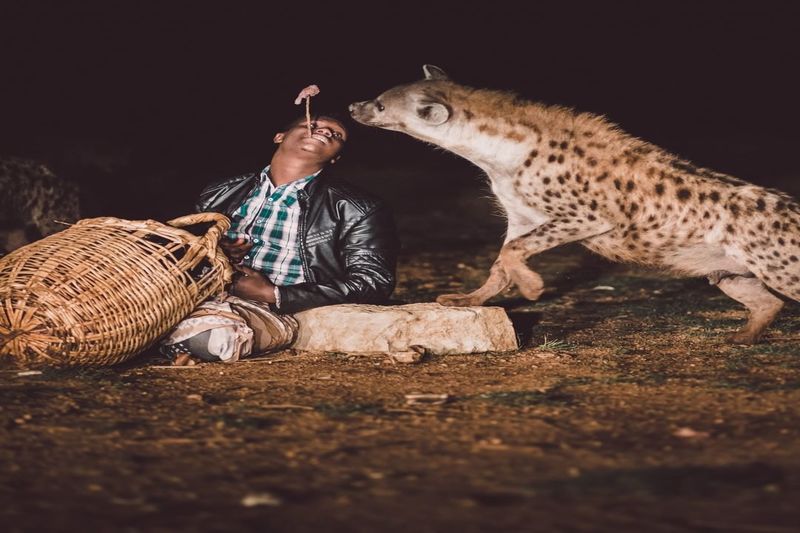
A Harar and Dire Dawa tour takes you to the eastern frontier of Ethiopia, a region that feels very different from the highlands of the north and the Rift Valley of the south. Harar, the walled city of the east, is a UNESCO World Heritage Site and one of the oldest cities in Africa, while nearby Dire Dawa is a railway town with a French colonial atmosphere, markets, and a mix of cultures. Together, the two cities make a fascinating stop on the eastern route, offering a rich and intense experience of Ethiopian Muslim culture, trade, and history that is unlike anywhere else in the country. Harar Jugol, the old walled city, is the heart of the visit. Its 368 alleyways are lined with colourful, tightly packed houses that are home to over eighty mosques and shrines, and its markets and old quarters offer a dense, lively, and deeply atmospheric walk. The houses, painted in bright colours with carved wooden doors, are a distinctive sight, and the call to prayer, the smell of coffee and spices, and the bustle of the markets give Harar a sensory richness that is hard to describe. A guided walk is the best way to explore, as the alleyways are a maze and a local guide will know the history, the hidden courtyards, and the workshops where Harari crafts are still made. Just outside the old city walls, Harar is famous for its "hyena men". For centuries, local people have fed the wild hyenas that come to the city's gates each night, a practice that is now part of the city's folklore. The hyena feeding ceremony, held in the evening, is a strange and memorable sight: the hyenas, large and cautious, come close to the men who call them by name and offer them meat. It is a tradition that shows the long relationship between the city and the wild animals around it, and it should be seen with a local guide, at a respectful distance, without trying to touch or feed the animals yourself. Dire Dawa, about an hour's drive from Harar, offers a different face of Ethiopia. Founded as a railway town on the line from Addis Ababa to Djibouti, it has a French colonial atmosphere, with wide streets, old railway buildings, and a mix of cultures that reflects its history as a trading hub. Its markets are lively and varied, and the town is a good place to see the commercial life of eastern Ethiopia. Rimbaud House, in Harar, is another stop: the French poet Arthur Rimbaud lived in the city in the nineteenth century, and the house is now a small museum that adds a literary layer to the visit. The best time to visit Harar and Dire Dawa is October to March, in the dry season, when the weather is warm and settled. Getting there is straightforward, but one fact matters: Harar has no commercial airport. Fly to Dire Dawa Airport, about 55 kilometres from Harar, in about an hour from Addis Ababa, and then drive to Harar in around an hour. A variety of hotels and guesthouses are available in both cities, from budget to mid-range. Allow at least two days: one for Harar Jugol, the markets, and the evening hyena feeding, and one for Dire Dawa and the journey between the two.
What Makes It Special
Top Attractions
Harar Jugol old town
Hyena man night feeding
Arthur Rimbaud House
Grand Mosque of Harar
Colourful Harari markets
Dire Dawa railway station
Best Time to Visit
Activities
Getting There
Accommodation