About Axum
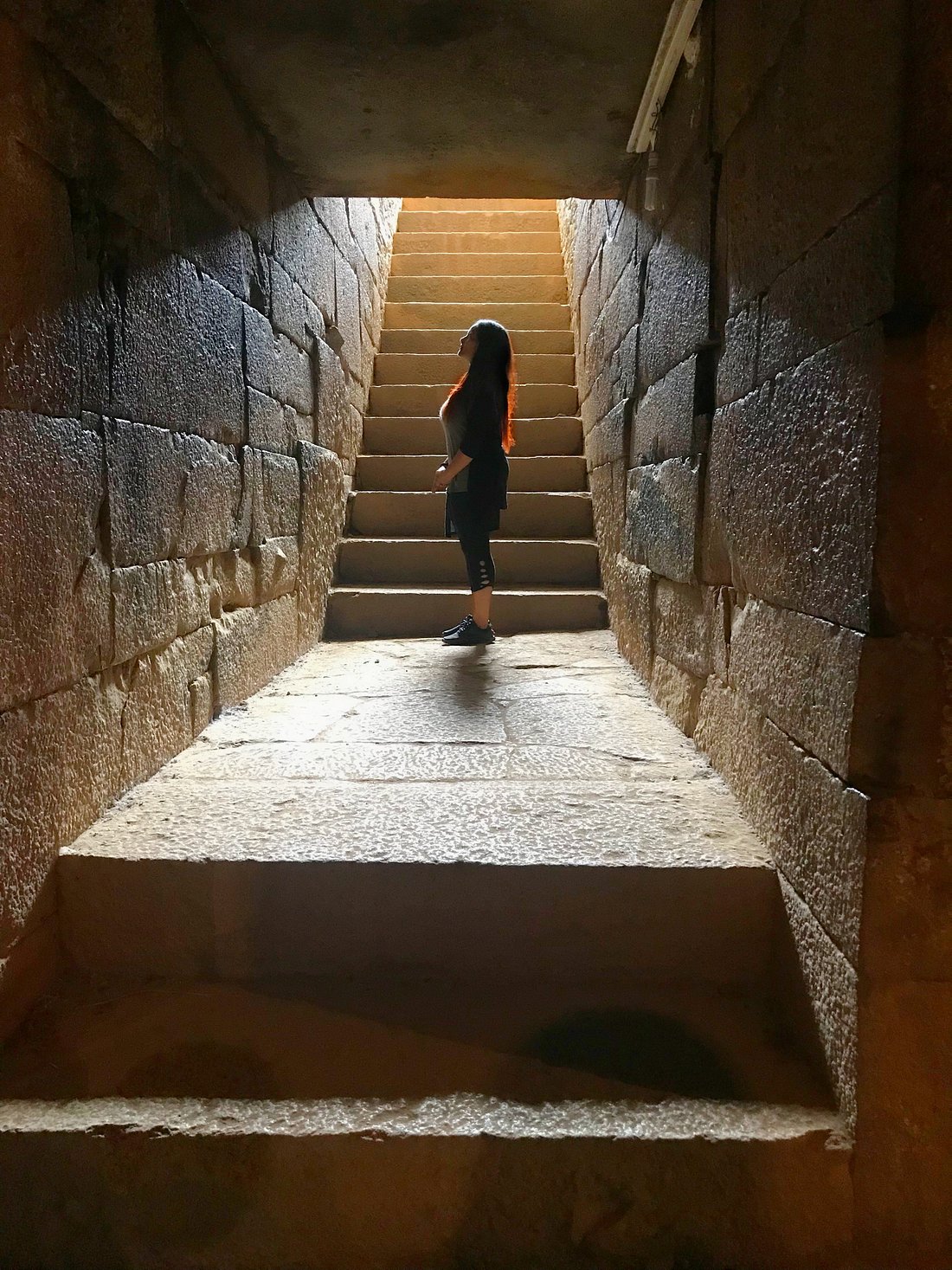
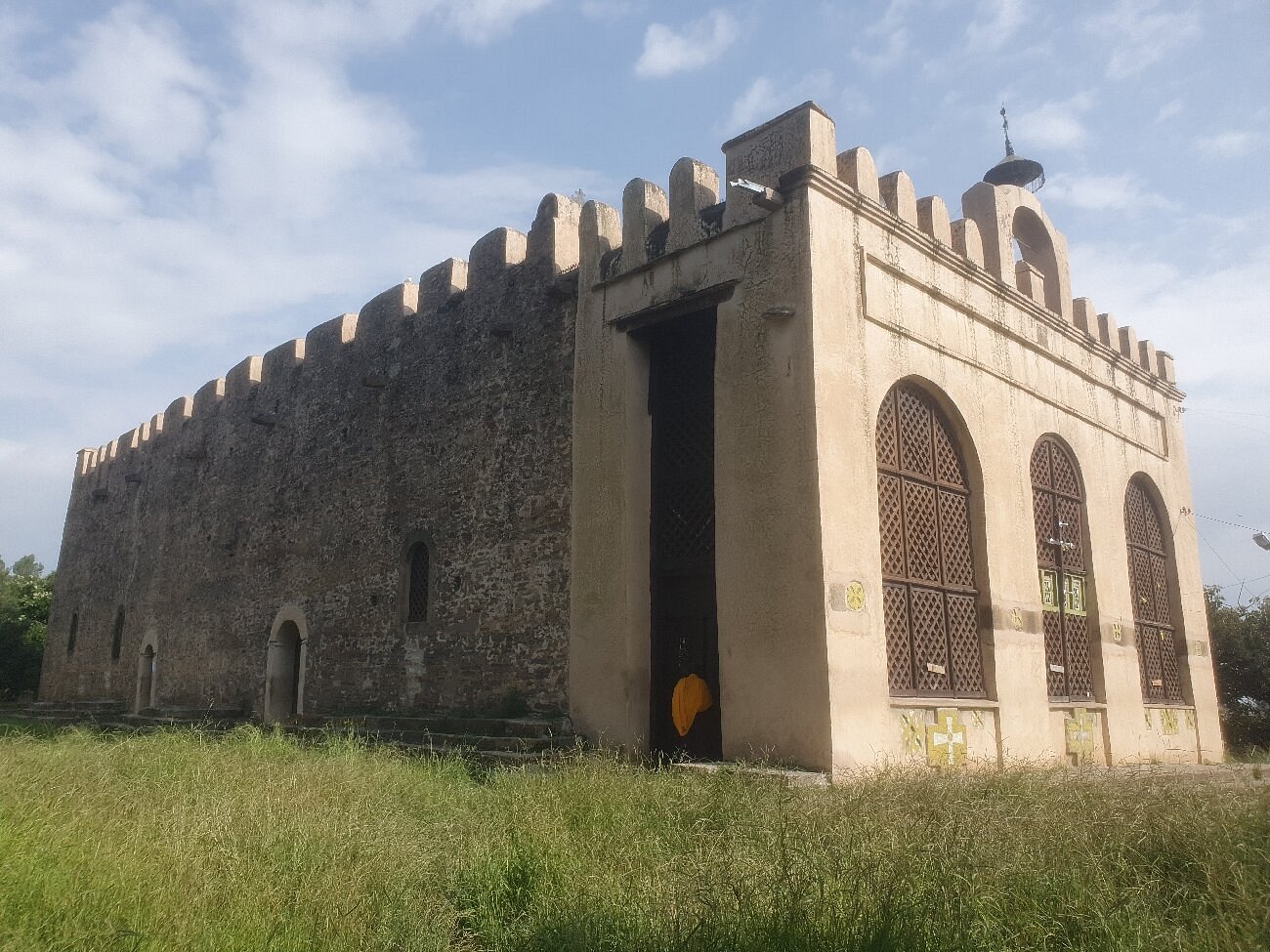
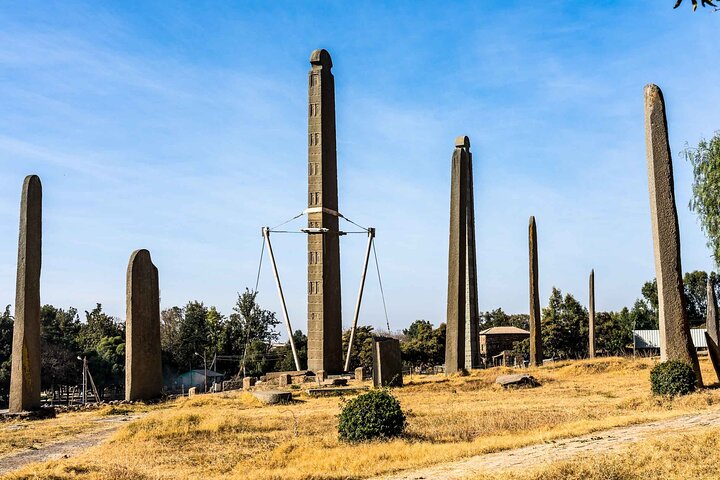
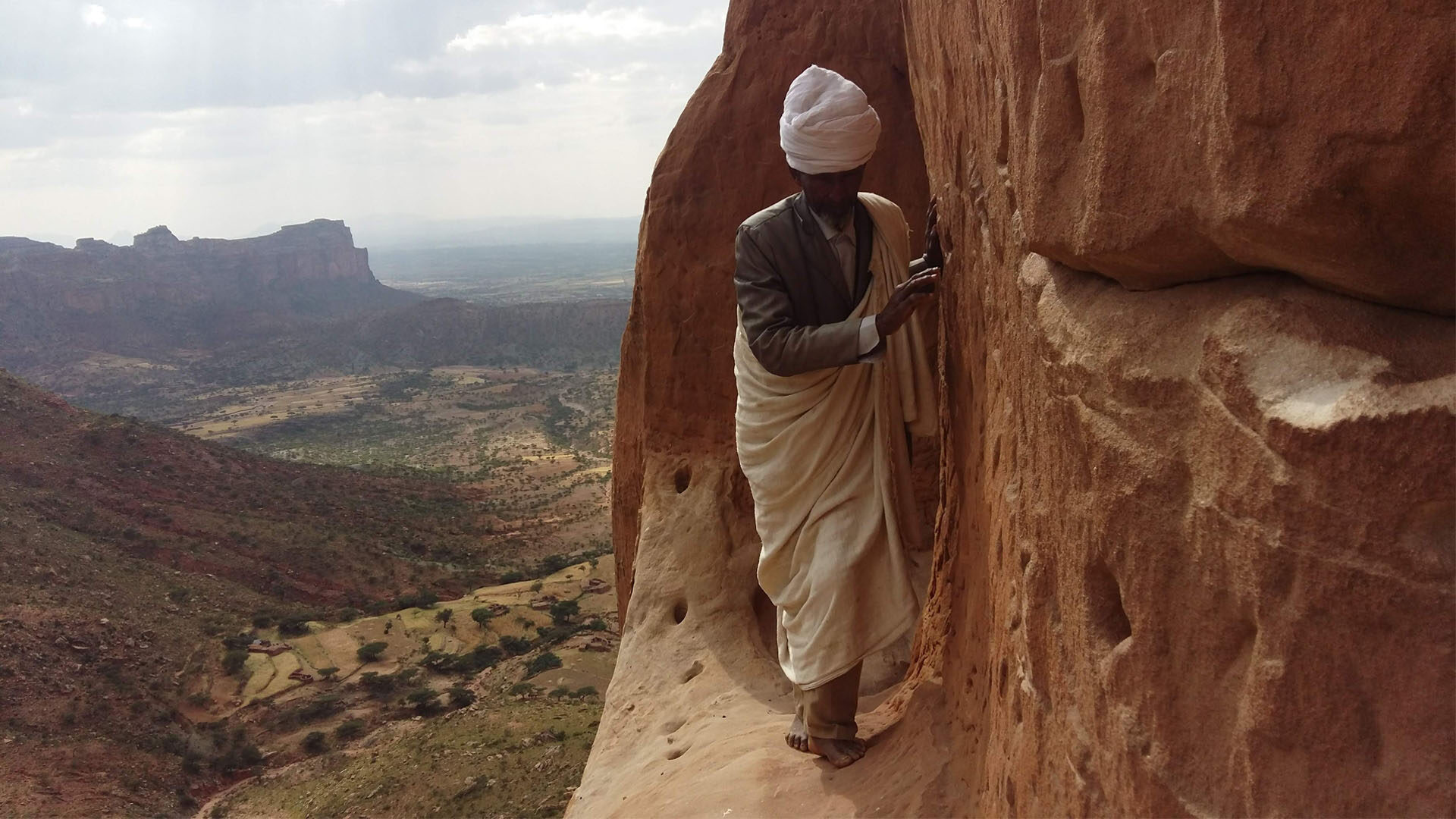
Axum tours begin in one of the oldest continuously inhabited places in Africa, and the ancient capital of a great empire. Axum, also spelled Aksum, was the centre of the Aksumite Empire, a power that once dominated trade across the Red Sea and beyond, linking Africa with Rome, Arabia, and the ancient world. The city is famous for its towering obelisks, its ancient churches, and its place at the heart of Ethiopian Orthodox Christianity. As a UNESCO World Heritage Site, Axum is the spiritual and historical heart of Ethiopia, where the ruins of ancient palaces and the tombs of kings speak of a civilisation that was trading, building, and writing centuries before many European cities existed. The Northern Stelae Field is the first stop for most visitors, and it is an extraordinary sight. Here, tall granite obelisks stand in a field on the edge of town, carved to look like multi-storey buildings, with false doors and windows cut into the stone. The tallest of them fell in the fourth century, and its broken pieces still lie where they fell, a reminder of the scale of Aksumite ambition. The largest standing stela is over twenty metres high, and walking among them gives a clear sense of the power and skill of the empire that raised them. The field is best visited in the morning or late afternoon, when the light is soft and the shadows are long. The Church of St Mary of Zion is the spiritual centre of Axum, and one of the most important churches in Ethiopia. Tradition says that the Ark of the Covenant is kept here, guarded by a single monk who never leaves the chapel grounds, and the church is a place of pilgrimage for Ethiopian Orthodox Christians from across the country. The old church, with its paintings and atmosphere, sits beside a newer church built in the twentieth century, and the compound also holds a small museum with crowns, manuscripts, and other treasures. Visitors should dress modestly, ask before taking photographs, and remember that this is an active place of worship, not a museum. Beyond the stelae and the church, Axum has more to explore. The tombs of Kings Kaleb and Gebre Meskel, two sixth-century rulers, lie in chambers cut into the rock outside the town, with arched doorways and quiet, cool interiors. The ruins of ancient palaces, including the so-called Palace of the Queen of Sheba, show the scale of the Aksumite capital, and the archaeological museum brings the story together with pottery, coins, inscriptions, and stone carvings. A walk through the town itself, with its markets and its views over the surrounding hills, gives a sense of a place that is both ancient and alive. The best time to visit Axum is October to March, in the dry season, when the weather is warm and settled. The town is reached by flying to Axum Airport on domestic flights from Addis Ababa, which makes it an easy addition to a northern Ethiopia itinerary. Accommodation ranges from budget stays to mid-range hotels, all within easy reach of the main sites. Allow at least a full day for the stelae field, St Mary of Zion, the tombs, and the museum, and consider combining Axum with the Gheralta Massif and its cliff churches for a fuller picture of Tigray's history.
What Makes It Special
Top Attractions
Northern Stelae Park
Church of St. Mary of Tsion
Tomb of King Kaleb
Queen of Sheba's Palace
Ezana Stone inscriptions
Axum Museum
Best Time to Visit
Activities
Getting There
Accommodation