About Addis Ababa
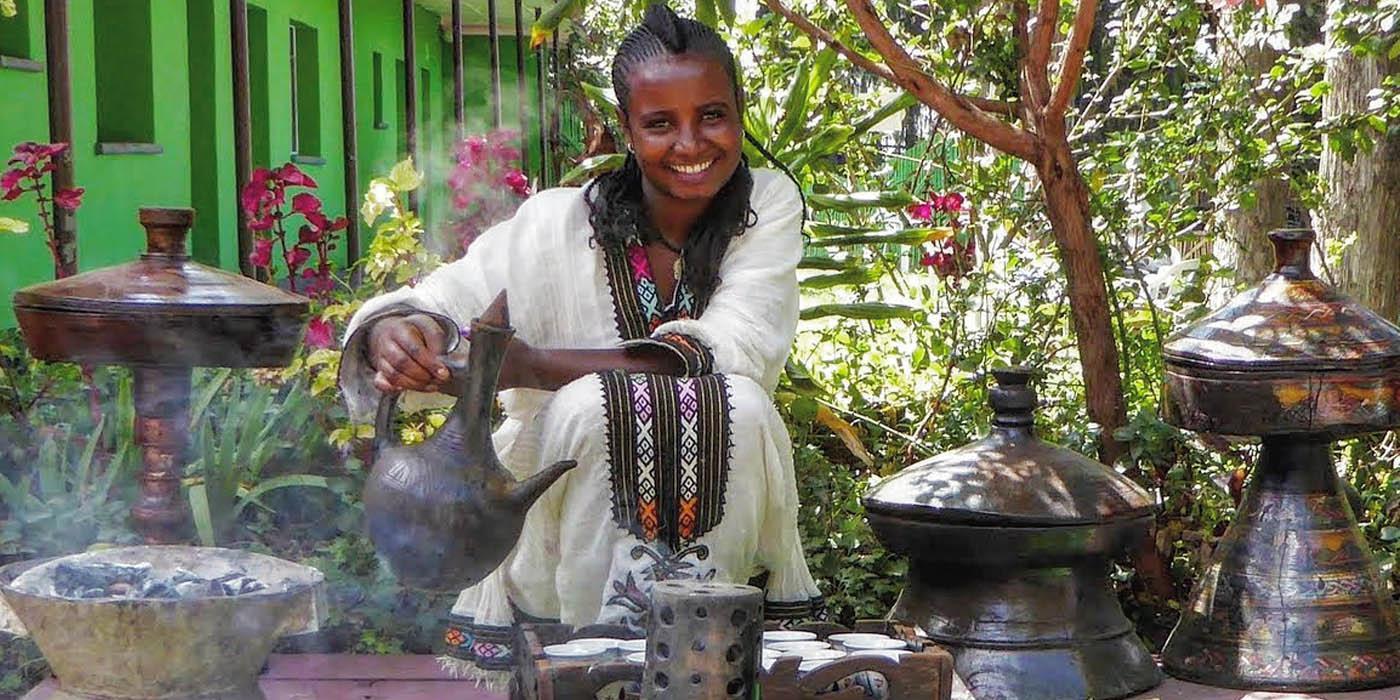
This Addis Ababa city guide starts with a simple fact: Addis Ababa, the capital of Ethiopia and the diplomatic capital of Africa, sits at 2,355 metres above sea level and serves as the gateway to the country. It is the seat of the African Union headquarters, a modern diplomatic city, and at the same time a city of deep history, lively markets and a coffee culture that shapes daily life. Most travellers arrive here first, and it is worth giving the city more than a single overnight stop, because Addis rewards those who slow down and explore it on foot, by neighbourhood. The National Museum is the essential first stop, home to Lucy, Dinknesh, the 3.2-million-year-old hominid fossil, and other archaeological treasures that tell the story of human origins in Ethiopia. Allow an unhurried morning here, rather than rushing past the displays, because the story of Lucy and the fossils found in Ethiopia is central to understanding the country. Holy Trinity Cathedral and Entoto Maryam Church add the spiritual and historic layers, with the Entoto Mountains above the city providing cool air and panoramic views over the rooftops below. Museums, cathedrals and craft centres sit just a short walk from bustling streets, so a day in Addis can move easily from ancient history to contemporary city life. The lively Mercato, one of Africa's largest open-air markets, is a sensory feast, a maze of stalls selling spices, textiles, coffee, baskets and everyday goods, and a place best explored with a guide on a first visit. The city's coffee culture, rooted in Ethiopia's ancient tradition, is best experienced in a traditional Ethiopian coffee ceremony, the slow ritual of roasting, grinding and brewing that turns coffee into an occasion for conversation. Take time to sit, to watch, and to accept a second cup, because in Addis coffee is not a quick drink but a way of spending time together. Addis offers a vibrant mix of modern life and deep history, and its restaurants serve up Ethiopia's famous cuisine, injera, tibs and a host of local dishes, all washed down with the traditional honey wine, tej. From the city centre to Bole, the city has a full range of hotels, from luxury to budget, and a growing choice of cafes, restaurants and craft shops that make it easy to spend an unhurried evening here. Try a different neighbourhood each evening, and ask for local recommendations, because the best meals in Addis are often in small, family-run places. Day trips to Debre Libanos and Entoto are possible from the city, but Addis itself has enough for two or three days without leaving its neighbourhoods. The best time to visit is October to March for pleasant weather, although year-round visits are possible, as Addis works well as a city base in any season. Getting here is by international flights via Addis Ababa Bole International Airport, ADD, and the city is the starting point for almost every journey in Ethiopia. Allow at least two days in Addis, one for the museum, Mercato and cathedral, and another for Entoto, coffee ceremonies and food, so the city is a beginning, not just a transit stop.
What Makes It Special
Top Attractions
National Museum of Ethiopia (Lucy)
Merkato Market
Mount Entoto & Entoto Maryam Church
Holy Trinity Cathedral
Ethnological Museum (Addis Ababa University)
St. George's Cathedral